



Discover Your Farm Worker Rights: Comprehensive Guide to Farm Labor Laws and Protections
Understanding your rights as a farm worker is crucial for ensuring fair treatment and protection in the workplace. This comprehensive guide will delve into the various farm labor laws and protections that safeguard agricultural workers. Many farm workers face challenges related to their rights, including issues with wages, working conditions, and access to legal support. By familiarizing yourself with these rights, you can better advocate for yourself and your fellow workers. This article will cover essential topics, including basic rights under current laws, labor standards, legal aid resources, workplace safety regulations, and recent updates in farm worker rights laws.
What Are Your Basic Farm Worker Rights Under Current Laws?
Farm workers are entitled to a range of rights under both federal and state laws, which are designed to protect their welfare and ensure fair treatment. These rights include the right to receive minimum wage, overtime pay, and safe working conditions. Understanding these rights is vital, as violations can lead to significant consequences for workers, including financial loss and unsafe working environments.
Which Farm Labor Regulations Protect Agricultural Workers?

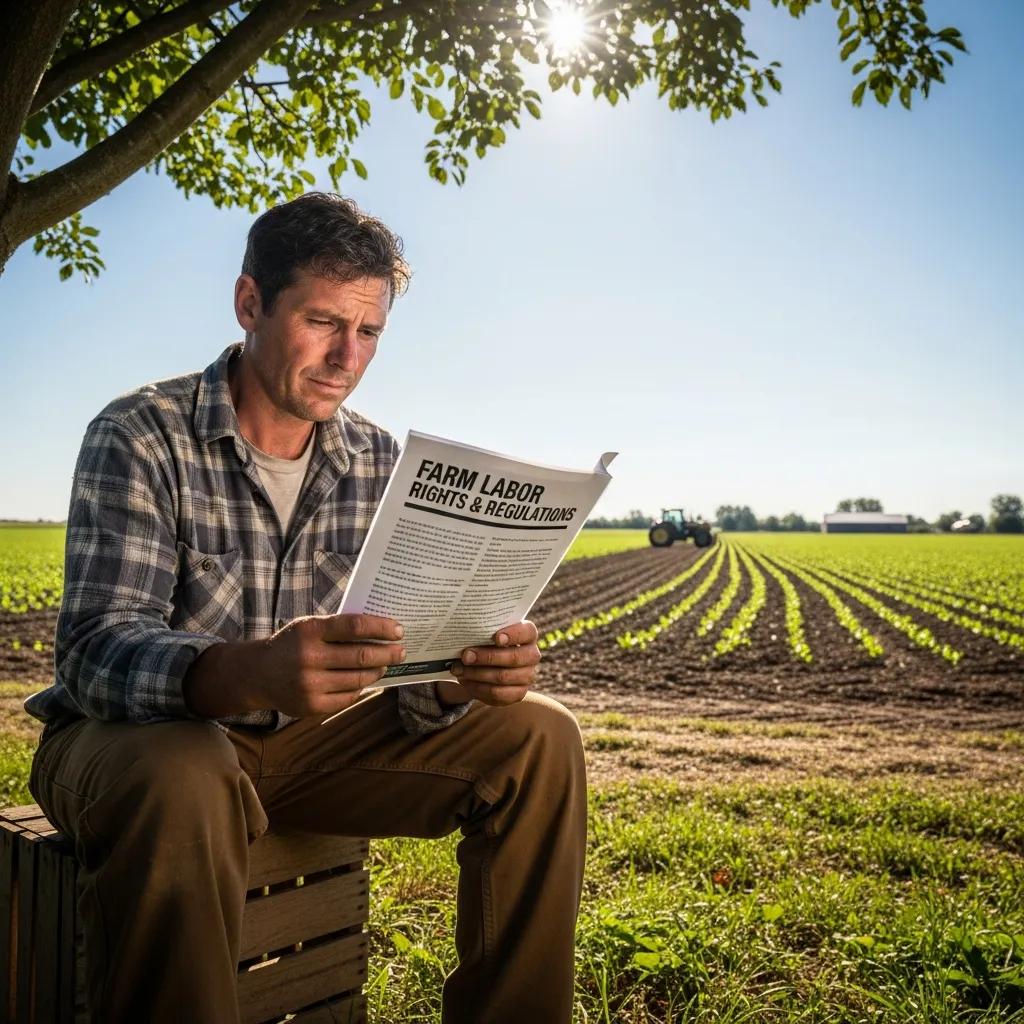
Several key regulations exist to protect agricultural workers, including the Fair Labor Standards Act (FLSA) and the “Migrant and Seasonal Agricultural Worker Protection Act” (MSPA). The FLSA establishes minimum wage and overtime requirements, while the MSPA provides specific protections for migrant and seasonal workers, including housing and transportation standards. These regulations are crucial for ensuring that farm workers receive fair compensation and work in safe conditions. Resources such as the U.S. Department of Labor’s website offer further information on these regulations and how they apply to agricultural workers.
Further elaborating on the significance of MSPA, one source highlights its unique role in establishing specific federal standards for farmworkers.
Migrant & Seasonal Agricultural Worker Protection Act (MSPA) Explained
The Migrant and Seasonal Agricultural Worker Protection Act (MSPA) establishes federal standards specific to farmworkers. (No other U.S. industry has a labor standard that applies solely to its workforce.) The original intent behind MSPA was to ensure that migrant and seasonal workers received information and standards on pay rates and deductions, working conditions, insured transportation, and employment activities.
… of Employment Regulations Affecting Florida Farm Employers and Workers: Migrant and Seasonal Agricultural Worker Protection Act (MSPA)[Federal]: FE406, 7/2003, 2003
How Do Farm Labor Standards Ensure Fair Treatment?
Farm labor standards are essential for ensuring that agricultural workers are treated fairly and equitably in the workplace. These standards outline the minimum requirements for wages, working hours, and conditions that employers must adhere to. By establishing clear guidelines, these standards help protect workers from exploitation and ensure that they receive the compensation and treatment they deserve.
What Are the Minimum Wage and Overtime Rules for Farm Workers?
Under the “FLSA”, farm workers are entitled to receive at least the federal minimum wage for all hours worked. Additionally, they are entitled to overtime pay for any hours worked over 40 in a workweek. This means that if a farm worker works more than 40 hours in a week, they should receive time-and-a-half for those additional hours. Understanding these wage and overtime rules is crucial for farm workers to ensure they are compensated fairly for their labor.
It is important to note the historical context of FLSA’s application to agricultural workers, as there were once significant exemptions.
FLSA Overtime Exemption for Agricultural Workers
Similarly, the FLSA already contained the agricultural worker exemption, which excluded agricultural employees from the Act’s minimum wage and overtime provisions. The FLSA originally exempted all agricultural employees from its minimum wage and overtime provisions.
Lost in a Loophole: The Fair Labor Standards Act’s Exemption of Agricultural Workers from Overtime Compensation Protection, 2005
Where Can Farm Workers Access Legal Aid and Support Services?
Access to legal aid and support services is vital for farm workers who may face violations of their rights. Various organizations provide assistance, including legal representation, advice, and resources to help workers navigate their rights and protections. These services can be instrumental in addressing grievances and ensuring that workers receive the support they need.
How Do Farm Worker Legal Aid Organizations Help Protect Your Rights?

Legal aid organizations play a crucial role in protecting the rights of farm workers by offering various services. These may include legal representation in disputes, educational resources about workers’ rights, and assistance with filing complaints against employers. Many organizations also provide outreach programs to inform workers about their rights and available resources. Engaging with these organizations can empower farm workers to advocate for themselves and seek justice when their rights are violated.
The critical role of legal aid organizations in empowering farmworkers to access justice is further emphasized by their ability to provide free legal assistance.
Legal Aid for Farmworkers: Accessing Justice
One of the most effective resources of legal aid organizations may be their ability to assist farmworkers in obtaining access to justice and enforcement of their rights is through legal aid offices, whose charge is to provide free legal aid to those who cannot afford it.
Human Rights in the United State: Legal Aid Alleges That Denying Access to Migrant Labor Camps Is a Violation of the Human Right to Access Justice, 2012
This table highlights some of the key legal aid organizations available to farm workers, showcasing the variety of services they offer to support workers in need.
What Agricultural Worker Protections Exist Against Workplace Hazards?
Agricultural workers face unique hazards in their work environments, making it essential to have specific protections in place. These protections are designed to ensure that workers can perform their jobs safely and without undue risk to their health.
Which Safety Regulations Apply to Farm Workers?
Safety regulations, such as those enforced by the “Occupational Safety and Health Administration” (OSHA), are critical for protecting farm workers from workplace hazards. These regulations require employers to provide a safe working environment, including proper training, equipment, and safety measures. Compliance with these regulations is essential for minimizing the risk of accidents and injuries on the job. Workers should be aware of their rights regarding safety and can report violations to OSHA for investigation.
How Can Farm Workers Enforce Their Rights and File Complaints?
Enforcing rights and filing complaints is a vital process for farm workers who experience violations. Understanding the steps involved can empower workers to take action when their rights are infringed upon.
What Is the Process for Reporting Violations of Farm Worker Rights?
The process for reporting violations typically involves documenting the issue, gathering evidence, and submitting a complaint to the appropriate agency, such as the U.S. Department of Labor or OSHA. Workers can also seek assistance from legal aid organizations to help navigate this process. It is important for workers to act promptly, as there may be time limits for filing complaints. By understanding the reporting process, farm workers can take proactive steps to protect their rights and seek justice.
What Are Recent Updates and Trends in Farm Worker Rights Laws?
Recent updates in farm worker rights laws reflect ongoing efforts to improve protections for agricultural workers. These changes often arise in response to advocacy efforts and changing labor market conditions.
How Are New Regulations Impacting Agricultural Worker Protections?
New regulations are increasingly focusing on enhancing protections for farm workers, particularly regarding wage standards and workplace safety. For example, some states have implemented higher minimum wage laws specifically for agricultural workers, while others have introduced stricter safety regulations to address common hazards in the industry. Staying informed about these changes is crucial for farm workers to ensure they are aware of their rights and protections under the law.
By understanding their rights and the resources available to them, farm workers can better navigate the complexities of labor laws and advocate for fair treatment in the workplace. This guide serves as a foundational resource for farm workers seeking to empower themselves and ensure their rights are upheld.